People use the two terms as if they mean the same thing, and in casual conversation they often do. In plumbing and in code, though, they are different pieces of equipment. Here is a plain explanation of how they differ and what each means for a restaurant.
What They Have in Common
Both catch fats, oils and grease before wastewater goes into the sewer. Warm, greasy water enters the unit, slows down, and the grease floats to the top while cleaner water moves on. The waste collected has to be removed regularly or the unit stops working. If you want the basics first, read what is a grease trap.
Grease Trap: Small and Inside
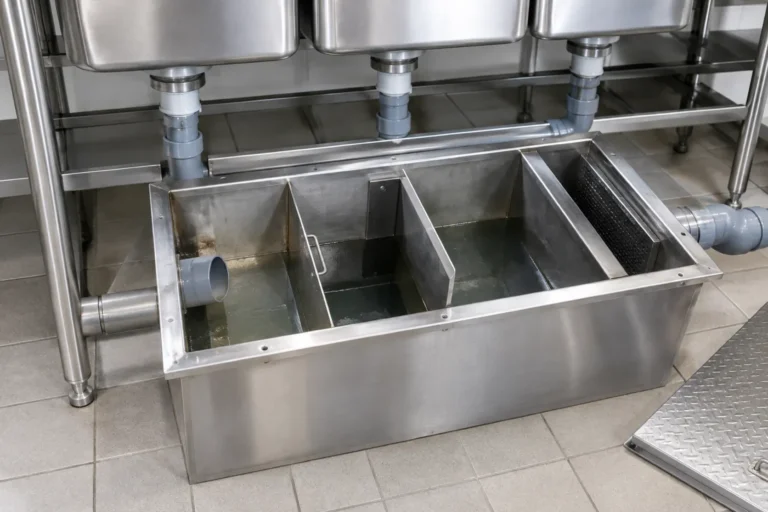
A grease trap is usually a smaller unit, often installed under a sink or in the kitchen floor. It handles a limited flow, suits small kitchens, and needs cleaning more often because it fills quickly.
- Smaller, often under or near the sink
- Handles a smaller flow of wastewater
- Cleaned often, sometimes weekly or monthly
- Lower cost to install
- Common in small cafes, bakeries and take-out spots
Grease Interceptor: Large and Underground
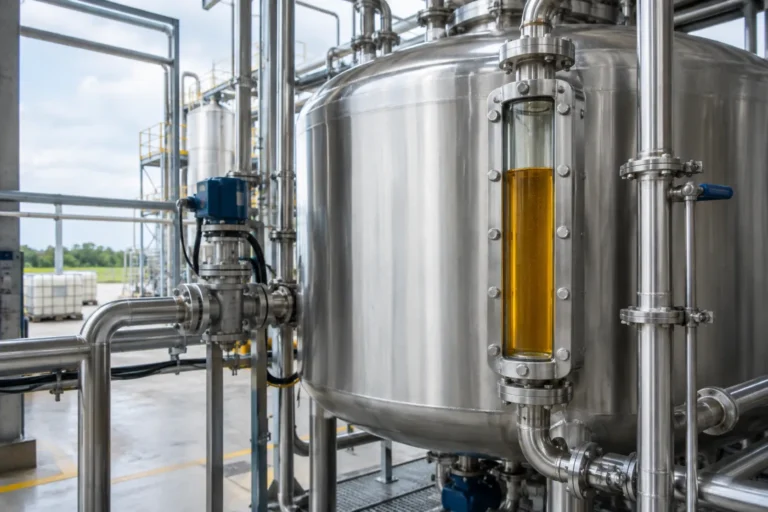
A grease interceptor is a large tank, typically buried outside the building. It holds far more wastewater, gives grease more time to separate and fits higher-volume kitchens.
- Large, often underground or outside
- Handles high volume from many fixtures
- Cleaned less often, such as every one to three months
- Higher cost to install
- Common in full-service restaurants, hotels and busy kitchens
Which One Does a Restaurant Need?
That decision is not yours to guess. Your city or utility sets the rules based on the size of your kitchen, your menu and your plumbing. Ask your local public works or permitting office, and check with your plumber before you sign a lease on a new space. Requirements vary between cities in the Houston area.
How They Are Cleaned
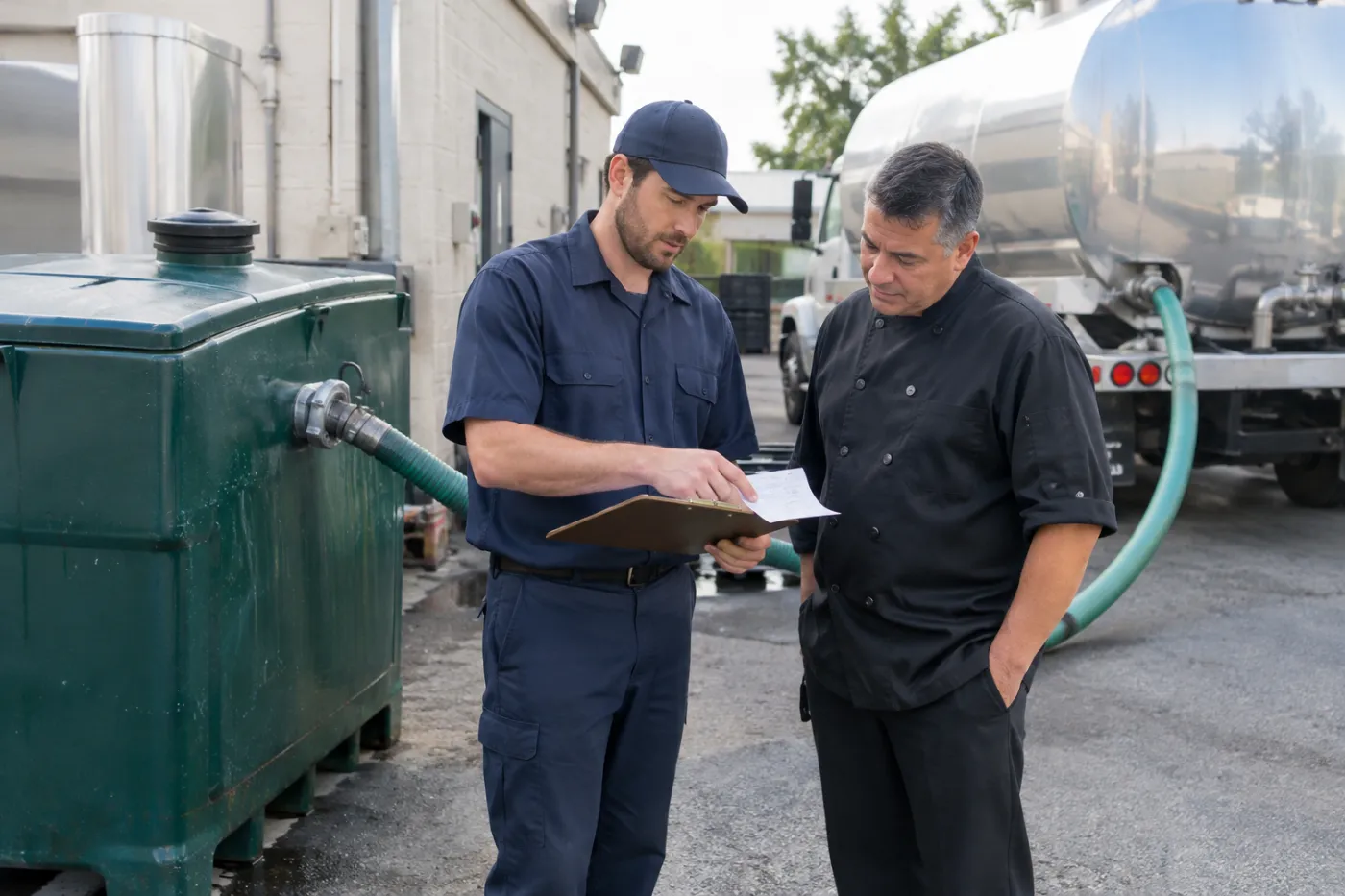
Both need pumping by a licensed grease trap hauler. They remove the waste, clean the unit and give you a record of service. Keep those records, because inspectors may ask for them. Toledo Grease Service does not pump traps or interceptors. We collect used cooking oil.
Where Used Cooking Oil Fits In
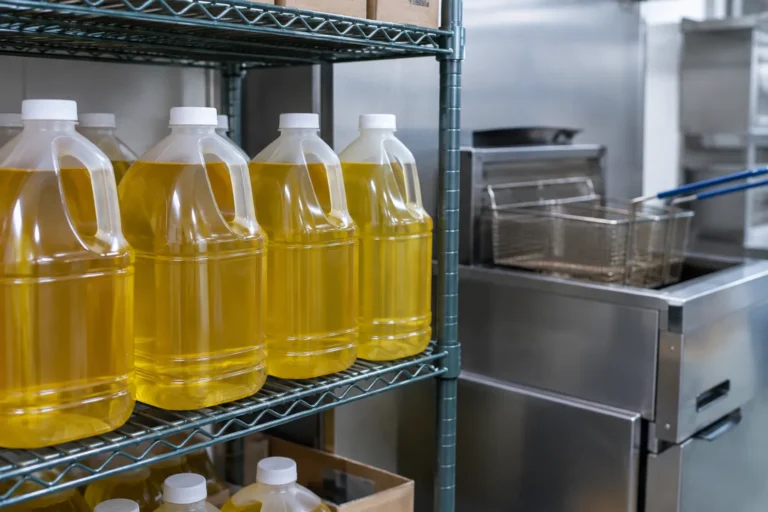
Fryer oil should never go into a trap or interceptor. It belongs in a collection container. When oil goes down the drain, it overloads the trap, shortens the time between cleanings and increases the chance of a blockage. Keeping the oil out saves you money on trap service. See restaurant grease disposal for how the two streams are handled.
Habits That Make Either One Work Better
- Scrape plates and pans into the trash before washing
- Use sink strainers
- Keep fryer oil out of every drain
- Clean on schedule and keep the service records
- Train new staff on the rules
Where We Collect Used Cooking Oil
Toledo Grease Service picks up used cooking oil from restaurants across the Houston area, including Houston, Katy, Spring, Humble, Conroe, Sugar Land, Baytown, Kingwood and New Caney. See all our service areas, or read about our scheduled pickup service and free metal containers.
Cost and Space Considerations
Interceptors cost more to install and need room, since they are large tanks that are often buried. That is a big deal if you are leasing a small space. Traps cost less but need more frequent cleaning, which adds up over time. Weigh the upfront cost against the ongoing service cost, and ask your plumber for real numbers.
Signs Your Trap or Interceptor Needs Attention
- Slow drains or gurgling sounds in the kitchen
- Bad smells near sinks or floor drains
- Grease visible at the surface in the access cover
- Backups after heavy use
- Missed cleaning dates in your service log
Do not wait for a backup in the middle of a Friday rush. Schedule cleanings on a calendar and keep fryer oil out of the system entirely.
Keep the Oil Out of Your Drains
Call 832-860-8399 or send us a message. We are open Monday to Sunday, 8 AM to 5 PM.
Frequently Asked Questions
Is a grease trap the same as a grease interceptor?
Not exactly. A trap is usually smaller and sits inside; an interceptor is a larger tank, often underground.
Which one does my restaurant need?
Your city or utility decides based on your kitchen. Ask your local permitting office or plumber.
Do you pump grease traps?
No. We collect used cooking oil only. Traps and interceptors are pumped by licensed haulers.
How often should a trap be cleaned?
It depends on size and volume. Small traps need more frequent cleaning than large interceptors.
Can fryer oil go in the trap?
No. Fryer oil should go into a collection container.
Do you serve Houston restaurants?
Yes. Call 832-860-8399.