Every restaurant that fries has the same end-of-shift problem: what to do with the old oil. Doing it wrong causes clogged drains, slip hazards and fines. Doing it right takes a few minutes and a good routine. Here is the process.
Step 1: Let the Oil Cool
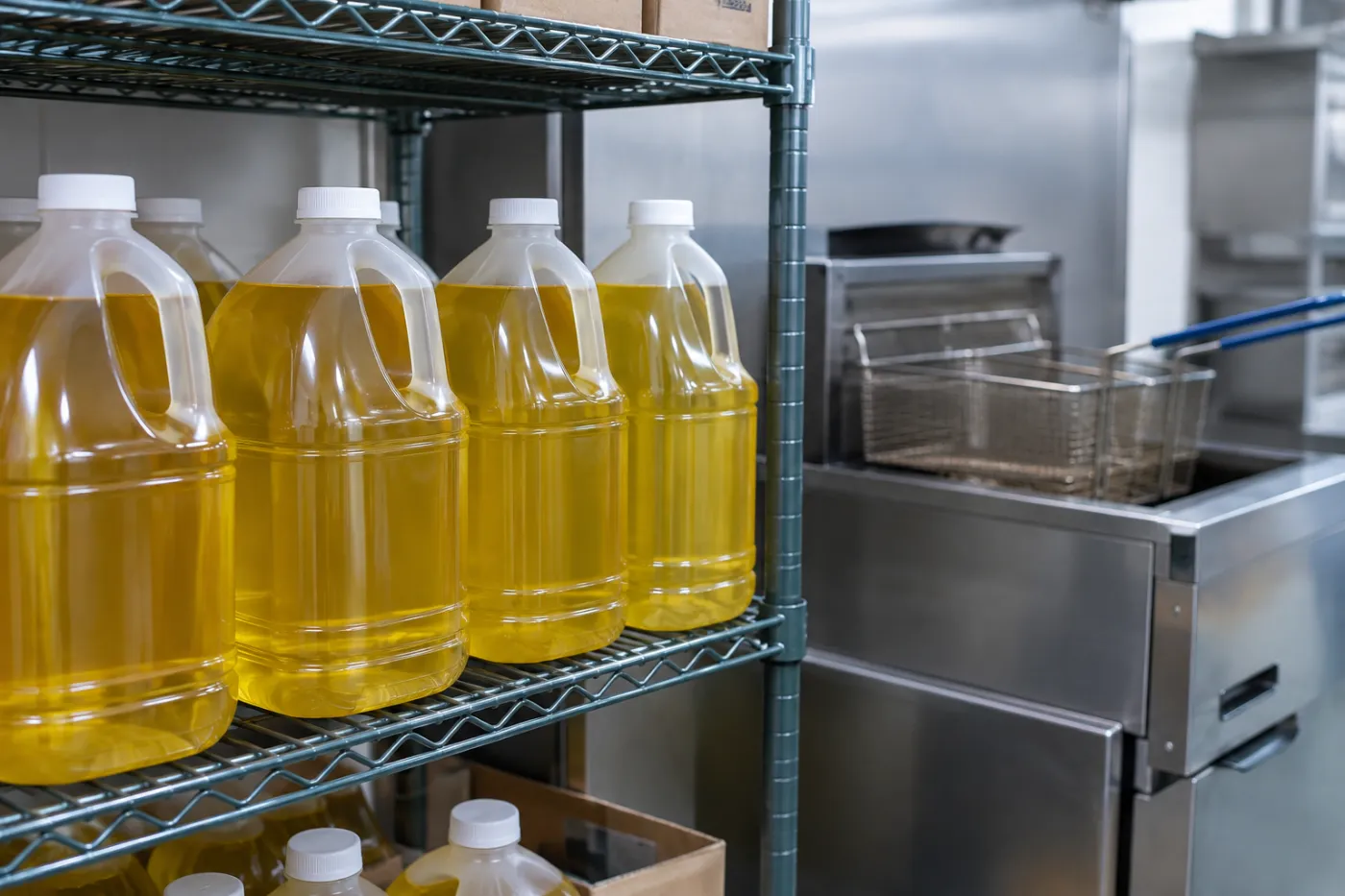
Hot oil burns people and melts plastic. Turn off the fryer and wait until the oil is cool enough to handle safely. Many kitchens plan changes at the end of the day so the oil has time to cool overnight. Never move hot oil in a rush.
Step 2: Filter If You Can
Straining out crumbs helps whether you are reusing the oil or sending it for recycling. Cleaner oil is easier to handle and worth more to a buyer. See how to clean used cooking oil.
Step 3: Move It Into a Collection Container
Use a sealed, sturdy container made for oil, not a bucket. Use a funnel, wear gloves and keep a spill kit nearby. Close the lid every time. Our free metal containers are built for this.
Step 4: Schedule Pickups
Pickup frequency should match your volume. Weekly works for busy fryers, biweekly for steady kitchens and monthly for smaller ones. If you run over, same-day or next-day pickup keeps things moving. See our pickup service.
What Not to Do
- Pour oil down a drain, even with hot water
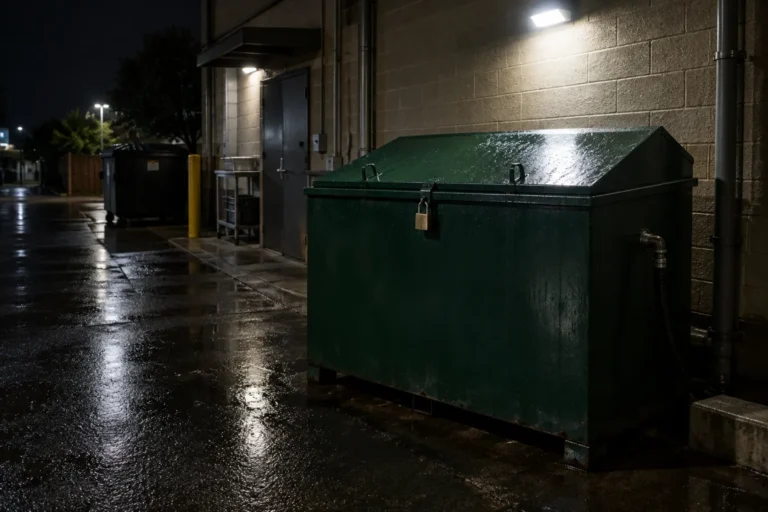
- Dump it in the dumpster or a storm drain
- Store it in open buckets
- Let the container overflow
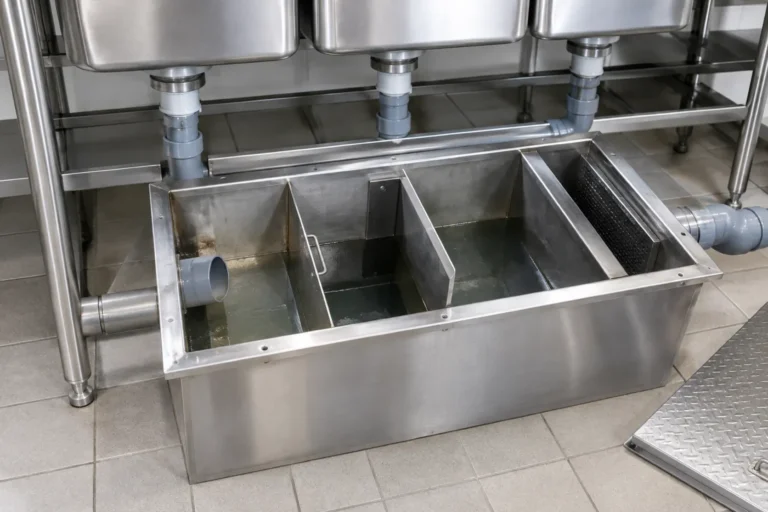
- Mix trap waste into the oil
Read restaurant grease disposal for how oil and trap waste differ, and how to dispose of used cooking oil for the general rules.
Keep the Disposal Area Clean
Spills outside are the number one complaint from landlords and inspectors. Wipe drips, check the lid and ask about pressure washing for the container pad. If you have a stain, see how to remove cooking oil from concrete.
Train Your Team
The routine only works if everyone follows it. Show new staff where the container is, who handles oil changes and what never goes down a drain. Post the steps near the fryers.
Where We Collect Used Cooking Oil
Toledo Grease Service picks up used cooking oil from restaurants across the Houston area, including Houston, Katy, Spring, Humble, Conroe, Sugar Land, Baytown, Kingwood and New Caney. See all our service areas, or read about our scheduled pickup service and free metal containers.
How Much Oil Does a Restaurant Produce?
It depends on the number of fryers, the menu and how often you change oil. A small taqueria with one fryer produces far less than a fast-food kitchen with several. Track how many times you change oil each week and how much each change is. That number tells us how often you need pickup and what size container to use.
A Simple Closing Routine
- Turn off fryers and let oil cool
- Filter and strain if you are keeping any
- Move old oil into the container with a funnel
- Close the lid and wipe any drips
- Log the change and check container level
- Call for a pickup if it is over three quarters full
Posting this by the fryers makes it easy for every shift to follow.
Simplify Fryer Oil Disposal
Call 832-860-8399 or send us a message. We are open Monday to Sunday, 8 AM to 5 PM.
Frequently Asked Questions
How do restaurants dispose of fryer oil?
They cool it, filter it and pour it into a collection container that a collector empties on a schedule.
Can fryer oil go in the dumpster?
No. Loose oil leaks, attracts pests and can violate rules. Use a collection container.
Is there a cost for pickup?
The container is free, and we buy used cooking oil at competitive rates. Call us for details.
How often should pickup happen?
Weekly, biweekly or monthly depending on volume.
Can you pick up the same day?
Yes, when we have availability.
What areas do you serve?
Houston and nearby cities. Call 832-860-8399.