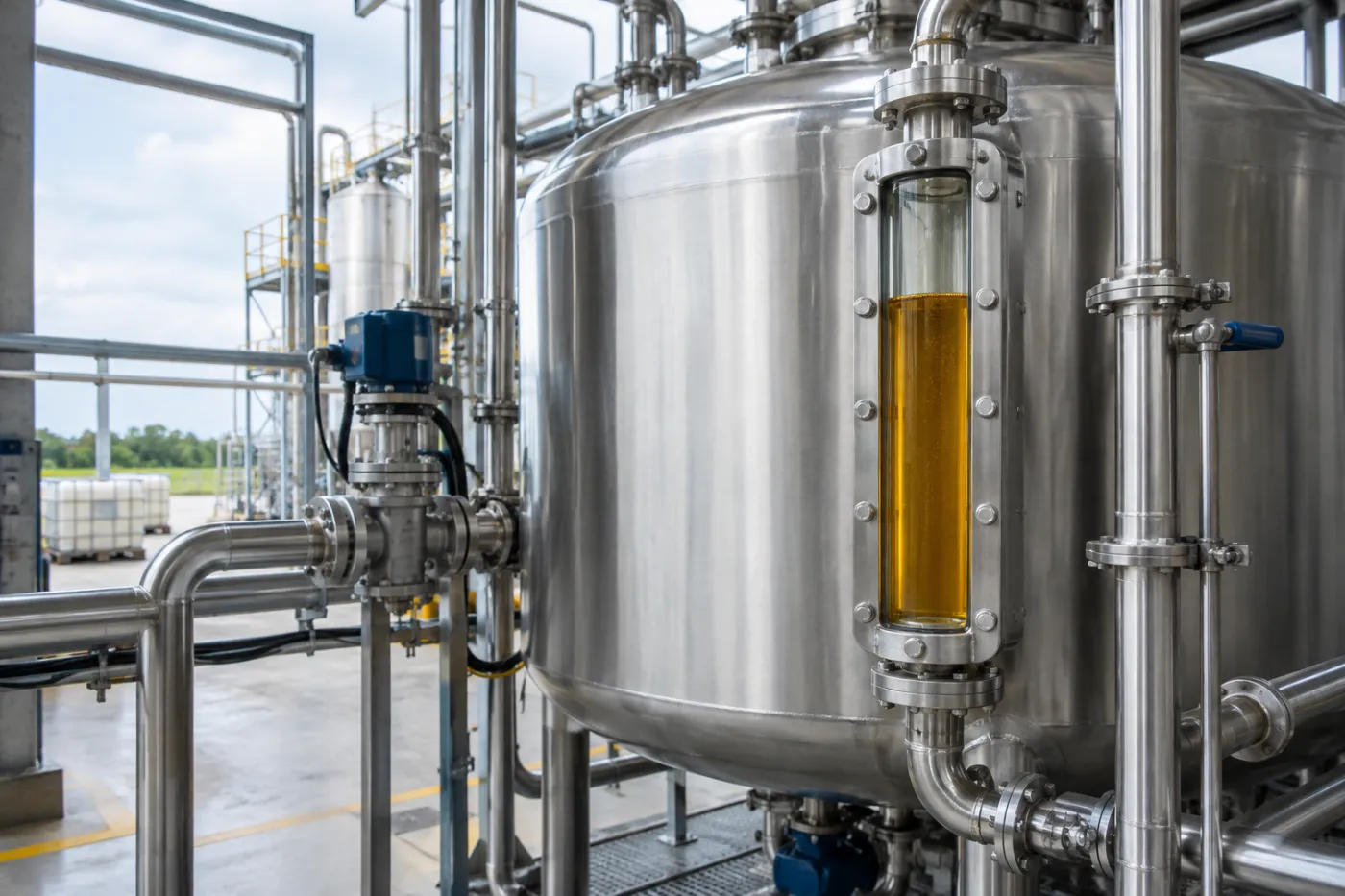
Once your fryer oil leaves the restaurant, it doesn't disappear. Used cooking oil is a valuable raw material, and most of it ends up as fuel. Here is how it gets recycled and what it turns into.
The quick answer
Used cooking oil is mainly recycled into:
- Biodiesel
- Renewable diesel
- Sustainable aviation fuel
- Animal feed ingredients
- Soaps, lubricants and other industrial products
How Used Cooking Oil Gets Recycled
- Collection. A collection company empties the container behind your restaurant on a schedule.
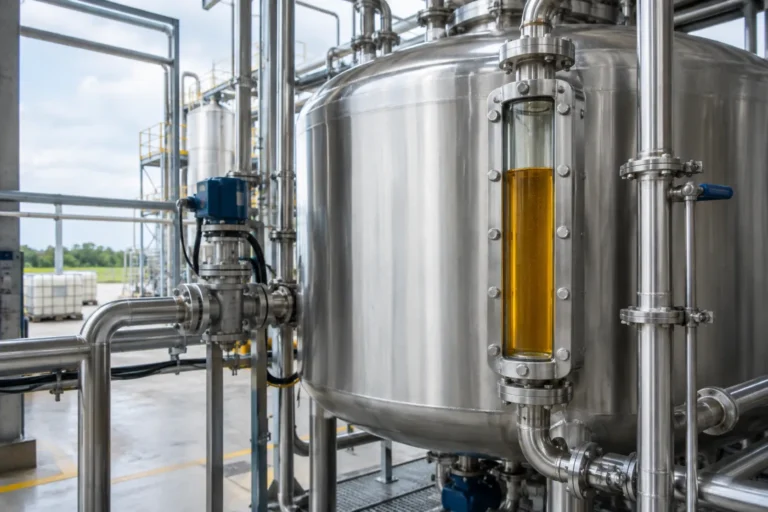
- Settling and separating. At the processing site, the oil is heated and left to settle so water and food solids separate out.
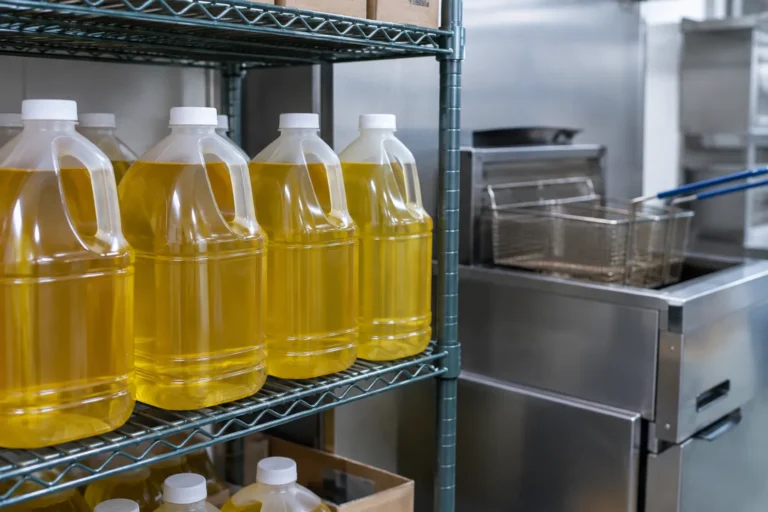
- Filtering. The cleaned oil is filtered. In the industry it is often called "yellow grease."
- Sale to refiners. The yellow grease is sold as feedstock to fuel producers and other manufacturers.
- Refining. Producers convert it into fuels or other products.
Biodiesel and Renewable Diesel
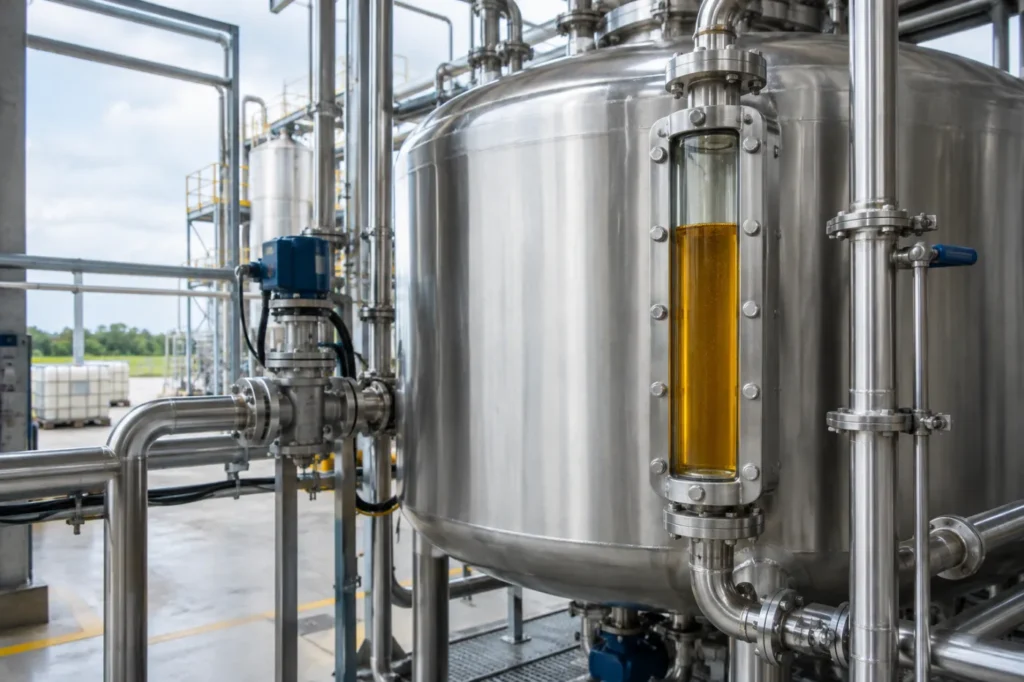
Fuel is the biggest use. Biodiesel is made through a chemical process that turns the oil into a fuel usually blended with regular diesel. Renewable diesel is made differently, by refining the oil with hydrogen into a fuel that works like petroleum diesel. Some refineries also turn it into sustainable aviation fuel.
Because used cooking oil is a waste product rather than a crop grown for fuel, it is one of the most sought-after feedstocks for these producers. That demand is the reason restaurants can get paid for their oil. See how much used cooking oil is worth.
Other Uses for Used Cooking Oil
- Ingredients for animal feed
- Soaps and detergents
- Industrial lubricants
- Other oleochemicals used in manufacturing
Used Cooking Oil vs Grease Trap Waste
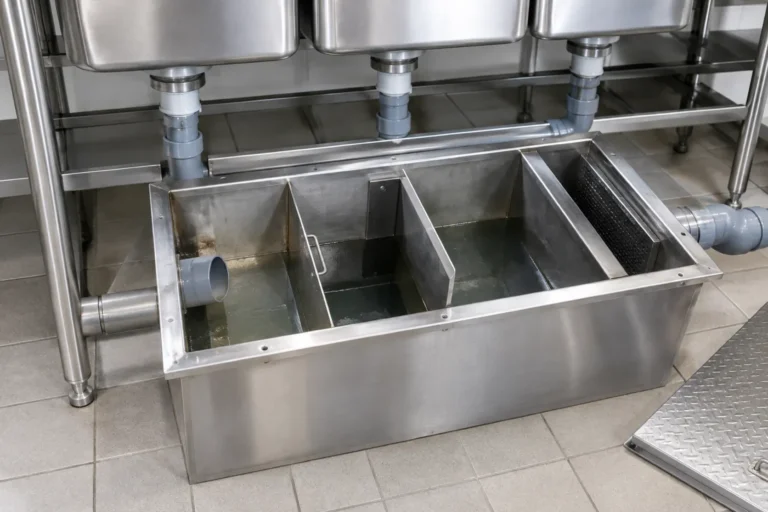
Not all kitchen grease gets recycled the same way. The oil from your fryers, often called yellow grease, is fairly clean and easy to process, which is why it has value. Grease trap waste, often called brown grease, is a mix of grease, food solids and water pumped out of your trap. Grease trap pumping companies handle it, and it goes through a different process.
Keeping the two apart matters. Fryer oil poured down a drain ends up in the trap, where it fills the trap faster and loses its value. Here's what a grease trap is and how it works.
Why Recycling Used Cooking Oil Matters
The alternative is usually the drain, and that is a real problem here. According to Houston Public Works, about 70% of the city's sewer overflows are caused by clogs from fats, oils and grease poured down drains and wipes flushed down toilets. Recycling keeps that oil out of the pipes and puts it to work as fuel.
What Happens to the Oil We Collect
At Toledo Grease Service, every gallon we pick up is recycled responsibly and kept out of drains and landfills. Restaurants get a free container, scheduled pickups and competitive payouts for their oil.
Why the Quality of Your Oil Matters
Recyclers want clean oil. Water, food scraps and trash all lower its value and can make a batch harder to process. Straining your oil and keeping the lid closed makes a difference. Our guide on how to store used cooking oil covers the details.
Can You Recycle Cooking Oil at Home?
Yes, but not in your curbside recycling cart, which isn't meant for liquids like cooking oil. In Houston, the City's Environmental Service Centers accept used cooking oil from residents for recycling. Let it cool, pour it into a sealed container and drop it off. Small amounts can also be sealed and put in the trash. See where to dispose of used cooking oil in Houston for details.
Is Recycling Worth It for a Restaurant?
For most kitchens that fry every day, yes. A good collection setup gives you:
- No disposal cost. Pickup and the container are often free.
- A cleaner back area. Oil goes into a sealed container instead of buckets or the dumpster.
- Less strain on your grease trap. Fryer oil stays out of the drains.
- Possible payouts. Some collectors pay for the oil they pick up.
- Records. A pickup history you can show at inspection.
Put your used oil to work
Toledo Grease Service collects used cooking oil from Houston restaurants and recycles every gallon responsibly. Call 832-860-8399 or request a pickup.
Frequently Asked Questions
Can used cooking oil be used as fuel directly?
Not in modern diesel engines. It has to be processed into biodiesel or renewable diesel first.
Is recycling used cooking oil good for the environment?
Yes. It keeps grease out of sewers and waterways, and the fuels made from it replace some petroleum-based fuel.
Why do restaurants get paid for used cooking oil?
Fuel producers want it as a raw material, so collected oil has market value. How much a restaurant gets depends on volume, oil quality and market prices.
What is yellow grease?
Yellow grease is the industry term for used cooking oil after it has been collected and cleaned. Grease trap waste is a different material, often called brown grease.
Can I put used cooking oil in my recycling bin?
No. Curbside recycling carts aren't meant for liquids like cooking oil. Use a drop-off site for home oil, or a collection service for a restaurant.
What is the most common use for recycled cooking oil?
Fuel. Most collected cooking oil becomes feedstock for biodiesel and renewable diesel.